
Understanding the Allure of the Casino
The casino environment is meticulously designed to engage our senses and tap into fundamental psychological drivers. From the ambient lighting and background music to the absence of clocks and the constant visual stimulation of games, every element is crafted to keep players immersed. This creates an atmosphere that can feel both exciting and escapist, drawing individuals into a world where the usual constraints of time and consequence seem to fade away. The very act of participating in casino games, with their inherent uncertainty and potential for reward, taps into our innate desire for novelty and thrill, and for those seeking more information on responsible engagement, resources can be found at https://magiusuk.org.uk/.
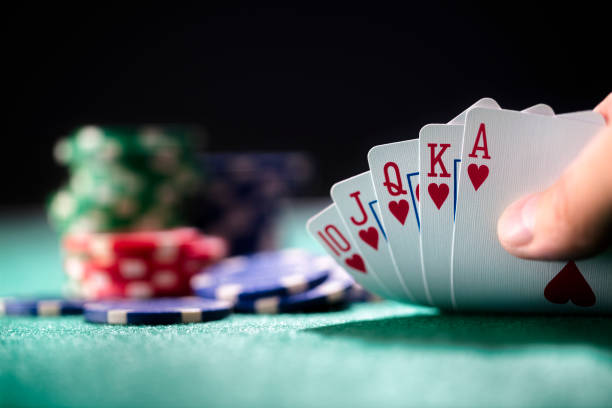
This psychological conditioning is not accidental. Casinos understand that to retain patrons, they must create an experience that is both stimulating and, to a degree, comforting. The predictability of the game mechanics, coupled with the randomness of outcomes, creates a unique tension that can be highly addictive. This blend of control (in understanding the rules) and lack of control (over the actual results) is a powerful psychological cocktail that keeps players coming back, hoping for that next big win.
The Role of Cognitive Biases in Gambling
Several cognitive biases play a significant role in how individuals perceive and engage with casino games. The gambler’s fallacy, for instance, is the mistaken belief that if something happens more frequently than normal during a given period, it will happen less frequently in the future, or vice versa. This can lead players to believe a certain number is “due” to appear in roulette, despite each spin being an independent event. Similarly, the illusion of control can make players feel they have a degree of influence over random outcomes, often based on superstitions or rituals.
Another powerful bias is confirmation bias, where individuals tend to seek out and interpret information that confirms their existing beliefs. If a gambler believes a particular strategy works, they will focus on the wins that support this belief, while downplaying or ignoring the losses. This selective memory reinforces their conviction, making it harder to objectively assess the true probabilities involved. The near-miss effect, where players experience a result that is close to a win, can also be a powerful motivator, creating a sense of “almost there” and encouraging further play.
Emotional Triggers and Decision Making
Emotions are central to the casino experience, influencing decision-making significantly. Excitement and anticipation build with each bet, and a win can trigger a rush of dopamine, creating a powerful positive reinforcement loop. Conversely, losses can lead to frustration, disappointment, and a strong desire to “chase” those losses, often leading to larger and riskier bets. This emotional rollercoaster can cloud judgment, making it difficult to stick to pre-determined budgets or strategies.
The social aspect of casinos also contributes to emotional engagement. Playing alongside others, witnessing their reactions, and participating in a shared atmosphere of excitement can amplify individual feelings. This shared experience can make gambling feel less like a solitary pursuit and more like a communal activity, further entrenching its emotional appeal. Understanding these emotional triggers is crucial for maintaining a healthy relationship with casino games.
The Psychology of Wins and Losses
Wins in a casino are often celebrated with fanfare – flashing lights, sounds, and sometimes even applause. This immediate positive feedback is incredibly potent, reinforcing the behaviour that led to the win. It creates a vivid memory of success, which the brain is wired to seek out again. The anticipation of another win, fueled by the memory of past successes, is a primary driver for many players.
Losses, however, are often met with more subdued reactions, but their psychological impact can be even more profound. The feeling of losing money can be painful, and the desire to recoup those losses can become an overwhelming motivation. This is where the “chasing losses” phenomenon often kicks in, leading to a cycle of increasingly desperate betting. The brain’s aversion to loss can be a more powerful motivator than the attraction of gain, paradoxically driving players to take greater risks in an attempt to recover what they’ve lost.
Magius UK: Navigating the Psychological Landscape
For organizations like Magius UK, understanding the intricate psychology of gambling is paramount. Their commitment lies in fostering responsible engagement with the casino environment, acknowledging the inherent psychological draw while prioritizing player well-being. Magius UK aims to equip individuals with the knowledge to recognize the psychological mechanisms at play, such as cognitive biases and emotional triggers, that influence decision-making at the casino.
By promoting awareness and providing resources, Magius UK seeks to empower individuals to play smarter, not just in terms of strategy, but in terms of self-awareness. They advocate for setting clear boundaries, understanding personal limits, and recognizing the signs of problematic gambling. This proactive approach, rooted in a deep understanding of casino psychology, is central to their mission of supporting a healthier relationship with entertainment that involves chance and reward, ensuring that the thrill of the game does not overshadow responsible decision-making.