
The hidden impacts of gambling on the human psyche
The psychological allure of gambling
The allure of gambling is deeply ingrained in human psychology, captivating individuals through the promise of excitement and potential financial gain. Casinos and betting platforms craft an environment designed to stimulate our senses, featuring bright lights, enticing sounds, and the thrill of uncertainty. This combination heightens emotions, making gambling feel like a thrilling adventure. For many, the instant gratification from winning becomes a powerful motivator, igniting a desire to return for more, often leading to habitual gambling behavior. In exploring the world of games, you’ll find that many popular titles are offered alongside options for betting sites horse racing.
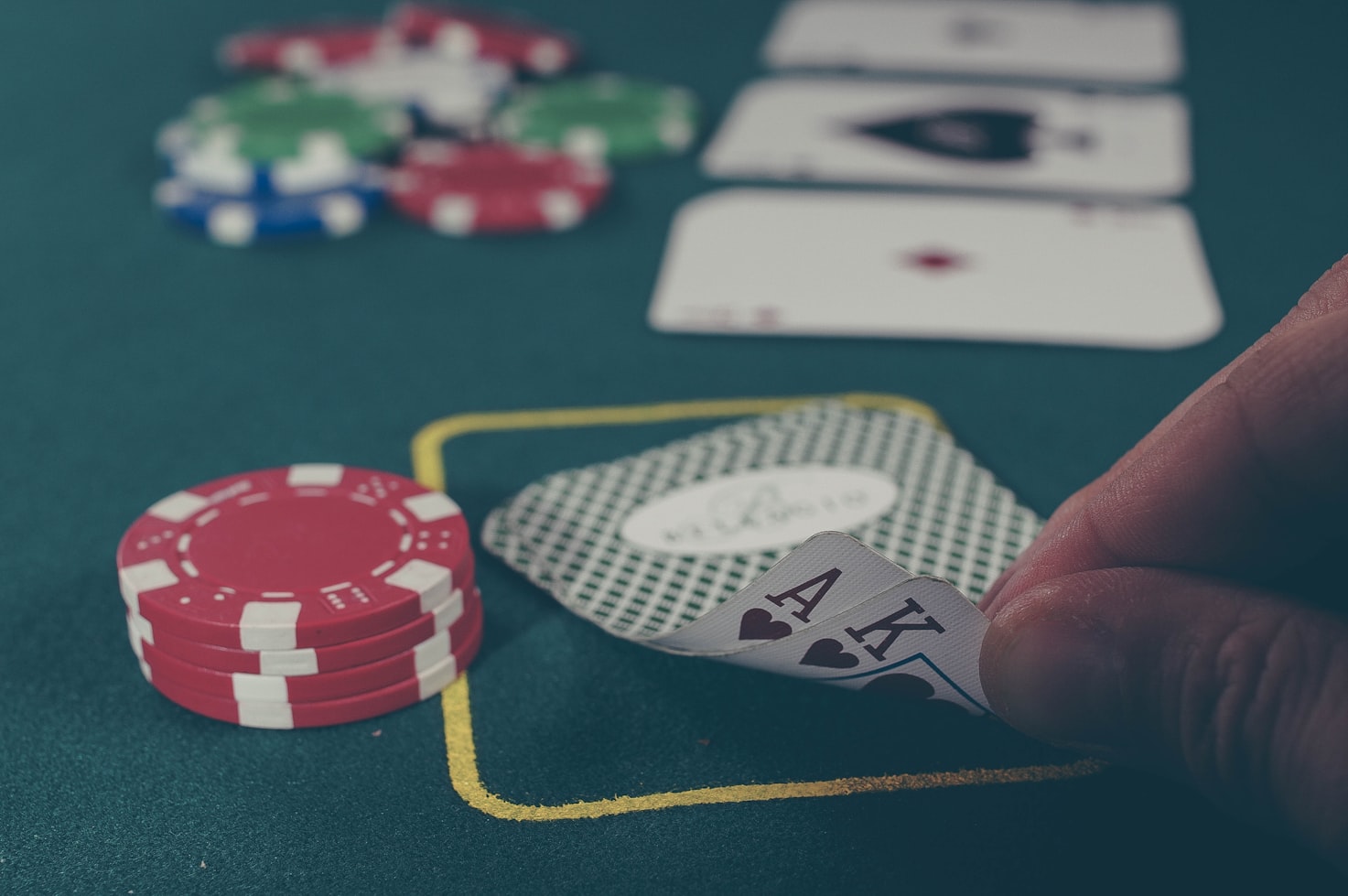
The psychological mechanism at play involves the brain’s reward system. When individuals win, their brains release dopamine, a neurotransmitter associated with pleasure and reward. This rush can create a cycle where the anticipation of winning drives individuals to engage in gambling despite the inherent risks. The more one gambles, the stronger the brain’s association between gambling and pleasure becomes, solidifying the activity as a source of excitement in their lives.
Moreover, the immersive nature of gambling can lead to a distortion of reality. Many gamblers develop cognitive biases, such as the illusion of control, where they believe they can influence the outcome of games based on skill or strategy. This misconception can propel players to continue gambling, even when faced with significant losses, as they cling to the hope that a change in fortune is just around the corner. These psychological dynamics make gambling both enticing and perilous.
The risk of addiction and compulsive behavior
Gambling addiction is a serious condition that affects millions worldwide. Compulsive gamblers often find themselves unable to control their urge to gamble, leading to detrimental consequences in various aspects of their lives, including relationships, finances, and mental health. The thrill of gambling can evolve into a dependency that mirrors substance abuse, as the brain craves the same rush associated with wins. Over time, individuals may chase losses, leading to a vicious cycle that perpetuates their addiction.
The impact of gambling addiction is profound. Many individuals find themselves in a constant state of stress, anxiety, and depression as their lives spiral out of control. Relationships with family and friends often suffer, leading to isolation and loneliness. Compulsive gamblers may resort to deceitful behaviors, lying about their gambling habits or stealing to fund their addiction, further damaging their social connections and emotional well-being.
Additionally, gambling addiction can have severe financial repercussions. Individuals may face mounting debts, bankruptcy, or even legal issues as they struggle to keep up with their gambling habits. The promise of quick riches often blinds individuals to the harsh realities of financial loss, making it difficult for them to recognize the severity of their situation until it is too late. Understanding the signs of gambling addiction is crucial for both individuals and their loved ones to take action before it’s too late.
The emotional toll of gambling losses
The emotional landscape of gambling is fraught with highs and lows, with significant losses leading to profound psychological impacts. Many gamblers experience feelings of shame, guilt, and regret after losing money. These emotions can further exacerbate existing mental health issues, such as anxiety and depression. The stigma surrounding gambling addiction often prevents individuals from seeking help, trapping them in a cycle of negative emotions and behaviors.
Moreover, the process of grieving over financial losses can be akin to mourning. Gamblers often go through stages of denial, anger, bargaining, and ultimately acceptance as they confront their losses. During this time, the psychological burden can feel overwhelming, prompting individuals to seek solace in further gambling or other unhealthy coping mechanisms, such as substance abuse. Recognizing and addressing these emotions is vital for recovery.
Research indicates that the emotional toll of gambling losses can lead to an increased risk of suicide among compulsive gamblers. The feelings of hopelessness and despair can push individuals to contemplate drastic measures as they struggle to cope with their circumstances. Thus, the emotional impact of gambling should not be underestimated, and awareness of these risks is essential in fostering a supportive environment for those affected.
The impact on interpersonal relationships
Gambling can have a significant adverse effect on interpersonal relationships. As individuals become more entrenched in gambling, their priorities often shift, leading to neglect of family and friends. The obsession with gambling can create a distance between individuals and their loved ones, as the gambler prioritizes bets over meaningful interactions. This disconnect can breed resentment, mistrust, and heartbreak, leading to strained relationships.
Moreover, loved ones of compulsive gamblers often experience their own emotional turmoil. Family members may feel helpless as they witness the destructive behavior of someone they care about. The financial strain caused by gambling can lead to conflicts, arguments, and ultimately a breakdown of familial bonds. This ripple effect can extend to children, who may experience instability, leading to long-term psychological consequences.
Support systems are crucial for both gamblers and their families. Open communication about the impacts of gambling can foster understanding and empathy. Encouraging individuals struggling with gambling addiction to seek professional help can pave the way for healing, not just for the individual, but also for their relationships. By addressing gambling issues together, families can work towards rebuilding trust and emotional connections.

Your resource for responsible gambling practices
Understanding the hidden impacts of gambling is essential for promoting responsible gambling practices. This website serves as a valuable resource for individuals seeking to navigate the complexities of gambling, offering insights into the psychological aspects and potential risks involved. Our goal is to equip readers with the knowledge necessary to make informed decisions, fostering a safer and more enjoyable gambling experience.
We provide comprehensive guides on recognizing the signs of gambling addiction and tips for maintaining control while engaging in gambling activities. By highlighting the importance of setting limits and understanding one’s own motivations, we aim to empower individuals to approach gambling with awareness and caution. Our resources focus on the balance between entertainment and risk, reminding readers of the potential consequences of irresponsible gambling.
In conclusion, awareness of the hidden impacts of gambling on the human psyche can lead to healthier relationships with gambling activities. Through education and support, individuals can enjoy gambling responsibly while minimizing the risks associated with addiction and emotional distress. By fostering a culture of responsible gambling, we can work towards a safer environment for all.